General information on what robotic assistance means in knee and hip replacement surgery, and the platforms used.
In a robotic-assisted joint replacement, the surgeon plans the procedure using a 3D model of the patient's own joint, built from a CT scan or intra-operative mapping. During surgery, the robotic system provides real-time guidance — helping the surgeon position and align the implant within the planned boundaries with a high degree of precision. The surgeon performs and controls the surgery throughout; the robotic arm acts as a guidance and precision tool, not an autonomous operator.
Robotic assistance is used for total and partial knee replacement, total hip replacement, and revision arthroplasty. Whether it's the right approach for a given patient depends on their individual joint anatomy, medical history, and the surgeon's assessment — this is a decision made in consultation, not a default choice for every case.
Most robotic-trained surgeons are certified on a single platform, tied to whichever system their primary hospital has installed. Dr. Godbole trained on and is certified across all four robotic systems currently used for joint replacement in India, which allows the choice of platform to follow the hospital and the case, rather than the other way round.
Used for robotic-assisted total knee replacement, total hip replacement, and partial (unicompartmental) knee replacement.
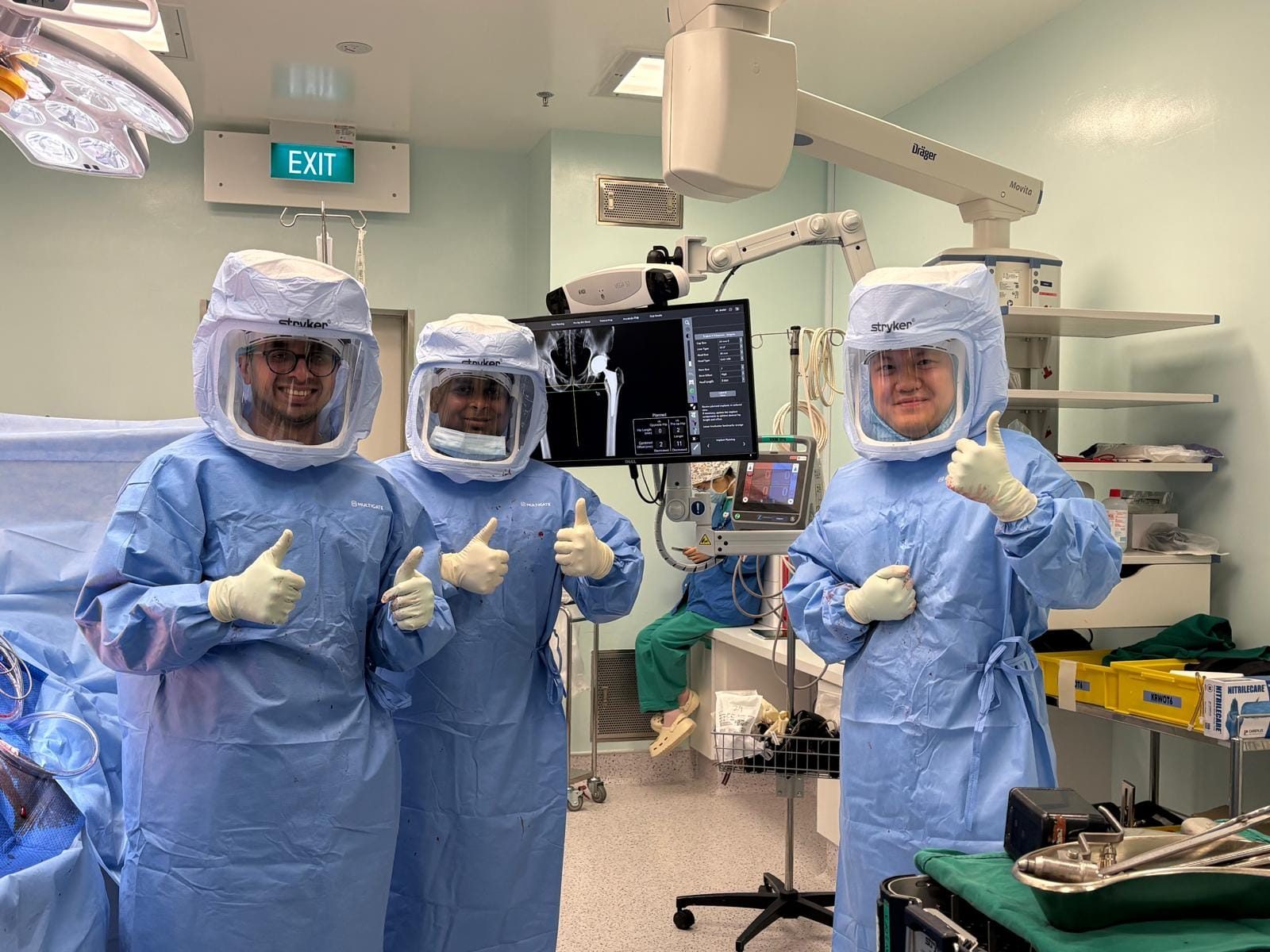
Used for robotic-assisted total knee replacement.
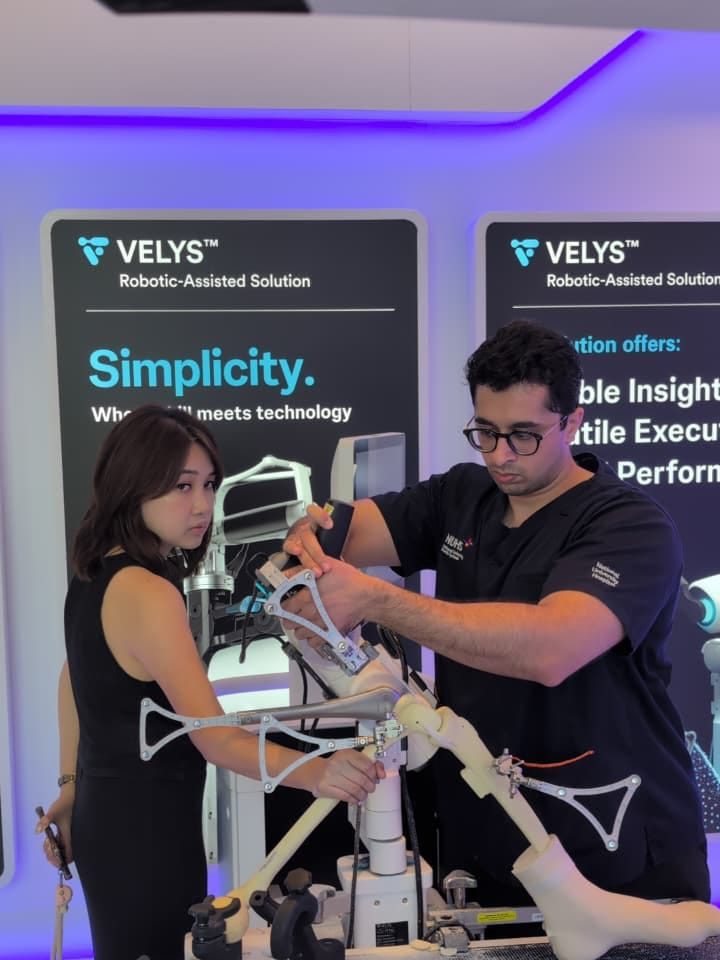
Used for robotic-assisted total and partial (unicompartmental) knee replacement.
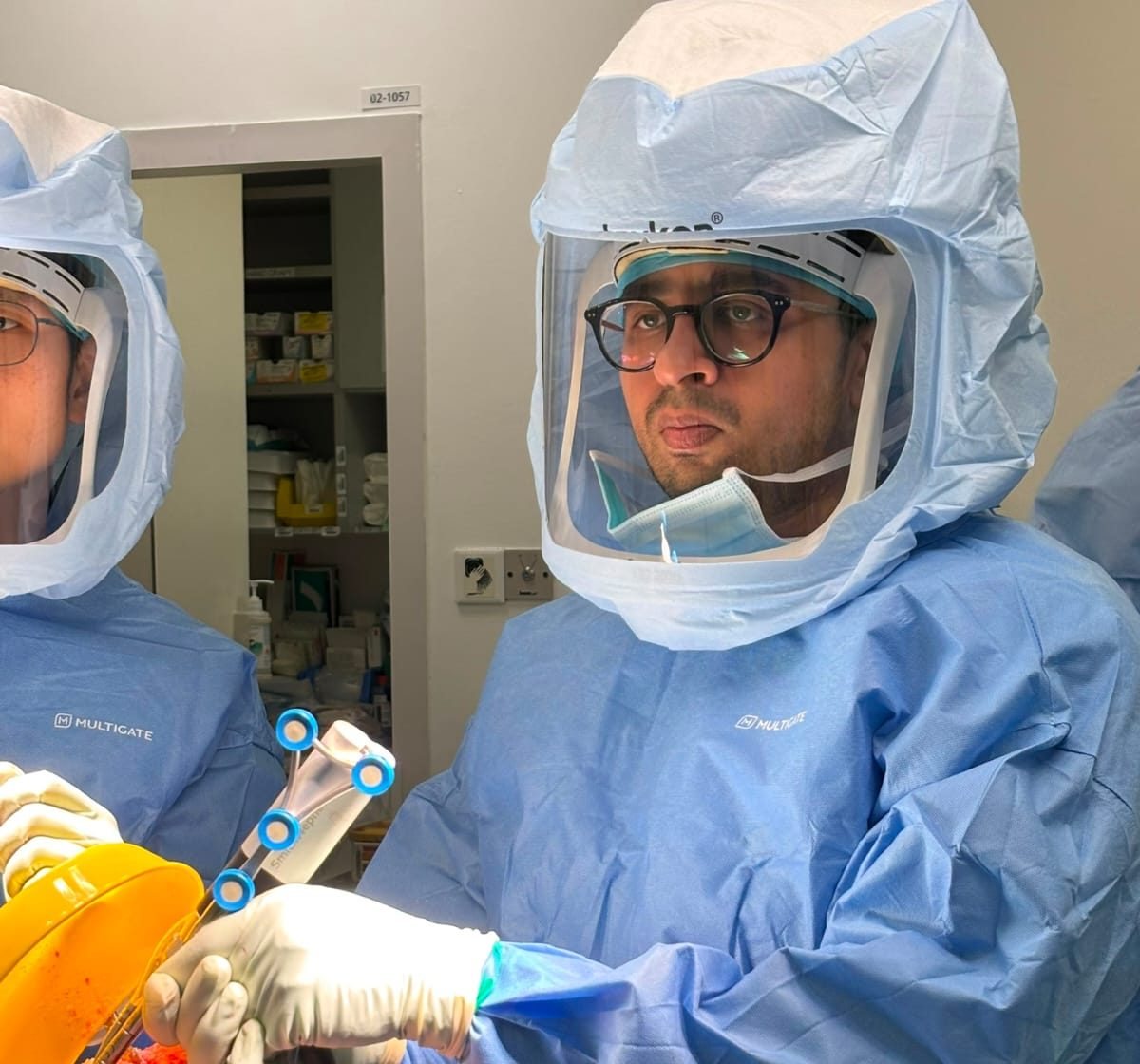
Used for robotic-assisted total knee replacement.

Recovery timelines and outcomes vary by patient, procedure, and overall health, and are best discussed individually during a consultation rather than generalised on a website. Broadly, joint replacement recovery involves an initial hospital stay, a structured physiotherapy programme, and a gradual return to daily activity over the following weeks to months. Dr. Godbole discusses the specific expected course for each patient's case directly, based on their imaging and health history.